
There comes a point in most makers' journeys when friends and family start saying the same thing: "You should sell these." It's flattering, and it plants a seed. But the leap from making things for yourself to making things for sale is bigger than it looks. It requires a different mindset, a different workflow, and — crucially — an understanding of where and how to find your customers.
Craft markets remain one of the best starting points. They're low-risk, high-feedback, and they put you face-to-face with the people who buy what you make. There's no better way to learn what works and what doesn't.
Choosing the Right Market
Not all craft markets are created equal. Some cater to high-end, gallery-quality work. Others are closer to car boot sales with a crafty veneer. Finding the right market for your work matters enormously — the wrong venue can be a demoralizing experience, no matter how good your products are.
Visit markets as a customer before applying as a vendor. Look at the quality level of the other stalls. Watch the foot traffic. Notice what people are buying and at what price points. Talk to vendors if they're not too busy — most are happy to share their experience, especially with someone who's genuinely interested in the craft.
Curated markets — those with application processes and quality standards — tend to draw better customers. The stall fees are higher, but the audience is there to buy, not just browse. Investing in a quality market from the start sets the right tone for your brand.
Pricing Without Apologizing
Pricing handmade goods is where most new sellers struggle. The temptation is to underprice — to feel that charging properly somehow makes you greedy or presumptuous. This is a mistake that hurts both you and other makers. Underpricing devalues the craft, trains customers to expect bargains, and makes your work unsustainable.
A basic pricing formula: materials cost plus labor (at a fair hourly rate) plus overhead, multiplied by at least two for retail. If that number feels too high, the solution isn't to lower the price — it's to find more efficient ways to produce, or to seek customers who understand and value handmade work.
Never apologize for your prices. If someone balks, that's fine — they're not your customer. The people who understand the value of handmade work will pay gladly, and those are the customers you want. One satisfied buyer at the right price is worth ten bargain hunters.
Presentation and Display
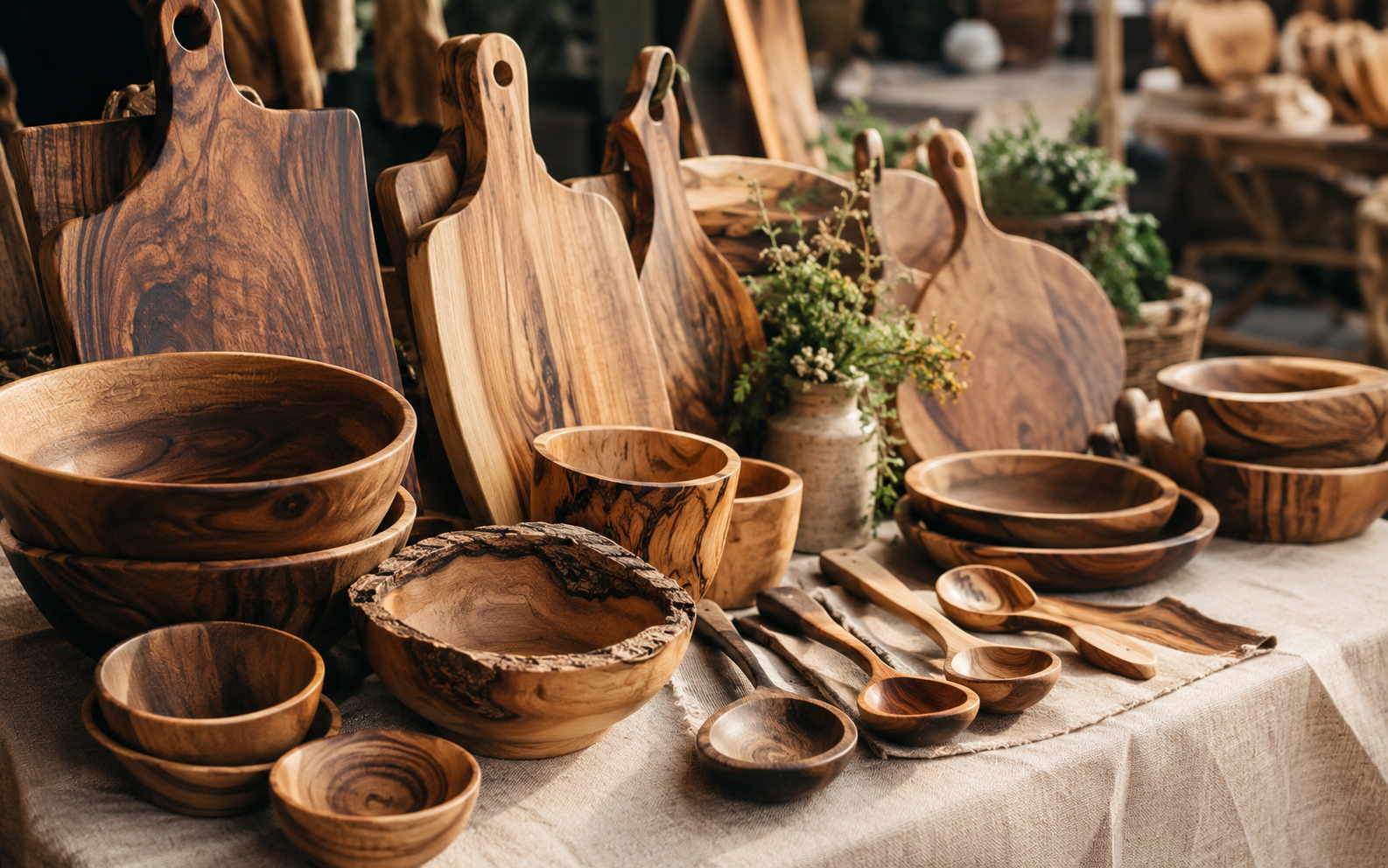
Your market display is your shop front, and it matters more than you might think. A table covered in a plain cloth with products scattered randomly says something very different from a thoughtful, cohesive display that invites people to look, touch, and engage.
Invest in good display materials. Risers to create height variation. A cohesive color palette for cloths and signage. Clear, professional price tags. Business cards. A sign with your brand name and a line about what you make. These details signal professionalism and justify your pricing.
Keep your display uncluttered. It's better to show fewer pieces well than to overwhelm the eye with everything you've ever made. Rotate stock between markets to keep things fresh, and always have a range of price points — from small, impulse-buy items to larger statement pieces.
Beyond the Market Stall
Markets are a beginning, not an end. They're perfect for testing products, building a customer base, and refining your pitch. But most successful handmade businesses eventually diversify. An online presence — whether through Etsy, your own website, or social media — extends your reach beyond the people who happen to walk past your stall on a Saturday morning.
Wholesale to shops and galleries is another avenue worth exploring once your production is consistent. The margins are lower — typically fifty percent of retail — but the volume can make up for it, and having your work in a physical shop lends credibility that helps everything else.
The Crafts Council offers resources, directories, and support for makers looking to develop their practice into a viable business. Whether you're just starting out or looking to scale, there's no shortage of guidance available — the key is to start somewhere and keep refining.
Whatever path you take, remember why you started making in the first place. The business side matters, but it should serve the craft, not the other way around. Make things you're proud of, price them fairly, and put them in front of people who care. The rest follows.