When most people think of maker culture, they picture workshops full of sawdust or electronics benches bristling with soldering irons. But there's a quieter corner of the maker world that's been growing steadily: the intersection of craft and clothing. Wearable art — garments designed and produced by makers rather than fashion houses — is carving out a meaningful space in both the craft and fashion worlds.
From hand-printed textiles to custom graphic tees, this crossover is producing some of the most interesting creative work happening right now. And it's attracting a new kind of maker: one who thinks in fabrics and inks rather than wood and metal.
The Rise of Printed Apparel as Craft
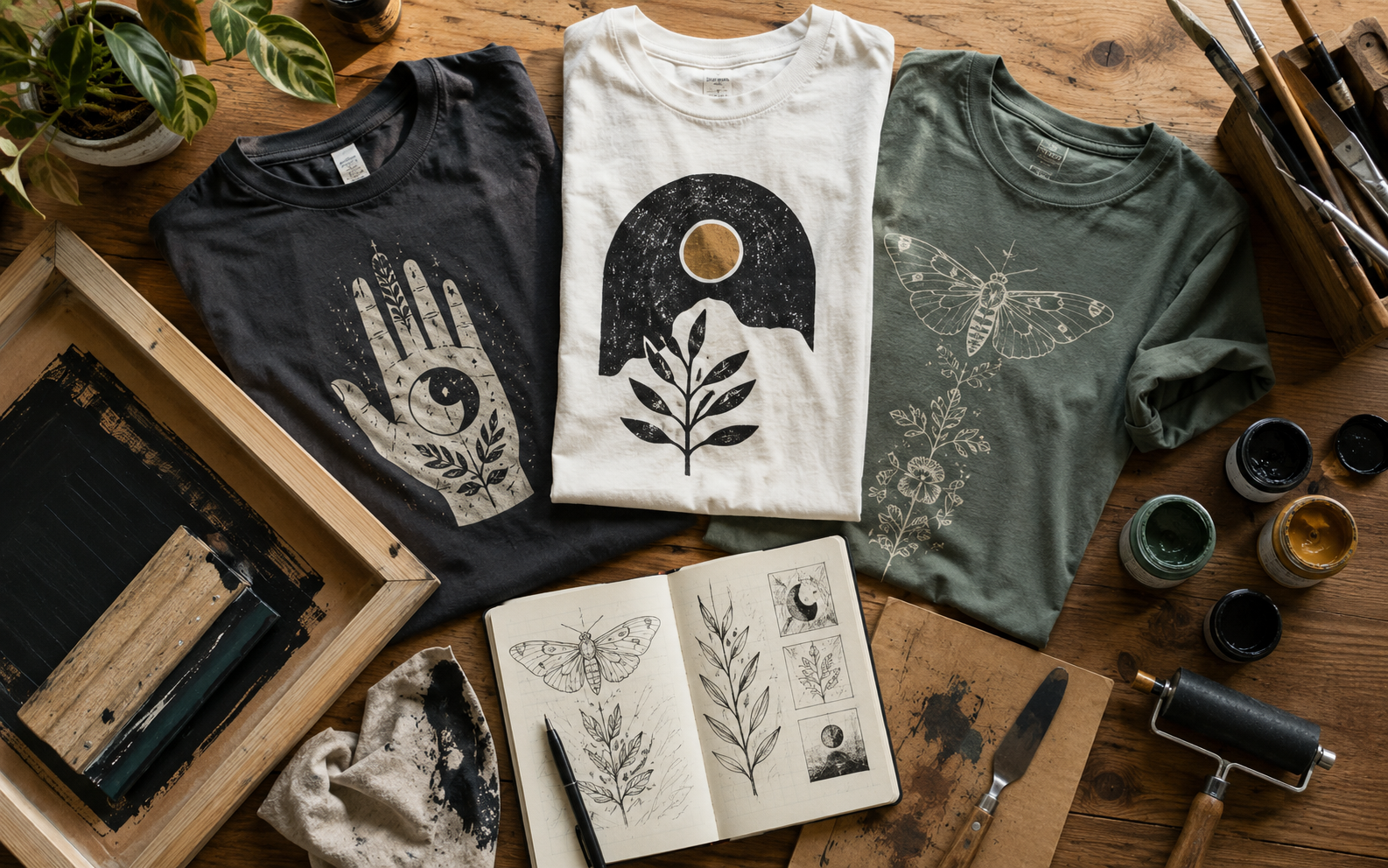
Screen printing has been around for centuries, but its role in maker culture has evolved dramatically. What was once an industrial process has been scaled down to basement studios and garage workshops. A basic screen printing setup costs less than a decent table saw, and the learning curve is surprisingly gentle.
But it's not just screen printing driving this trend. Direct-to-garment printing, heat transfer, block printing, and even hand-painting on fabric have all found their niches. Each technique offers different trade-offs between volume, detail, and the maker's hand in the final product.
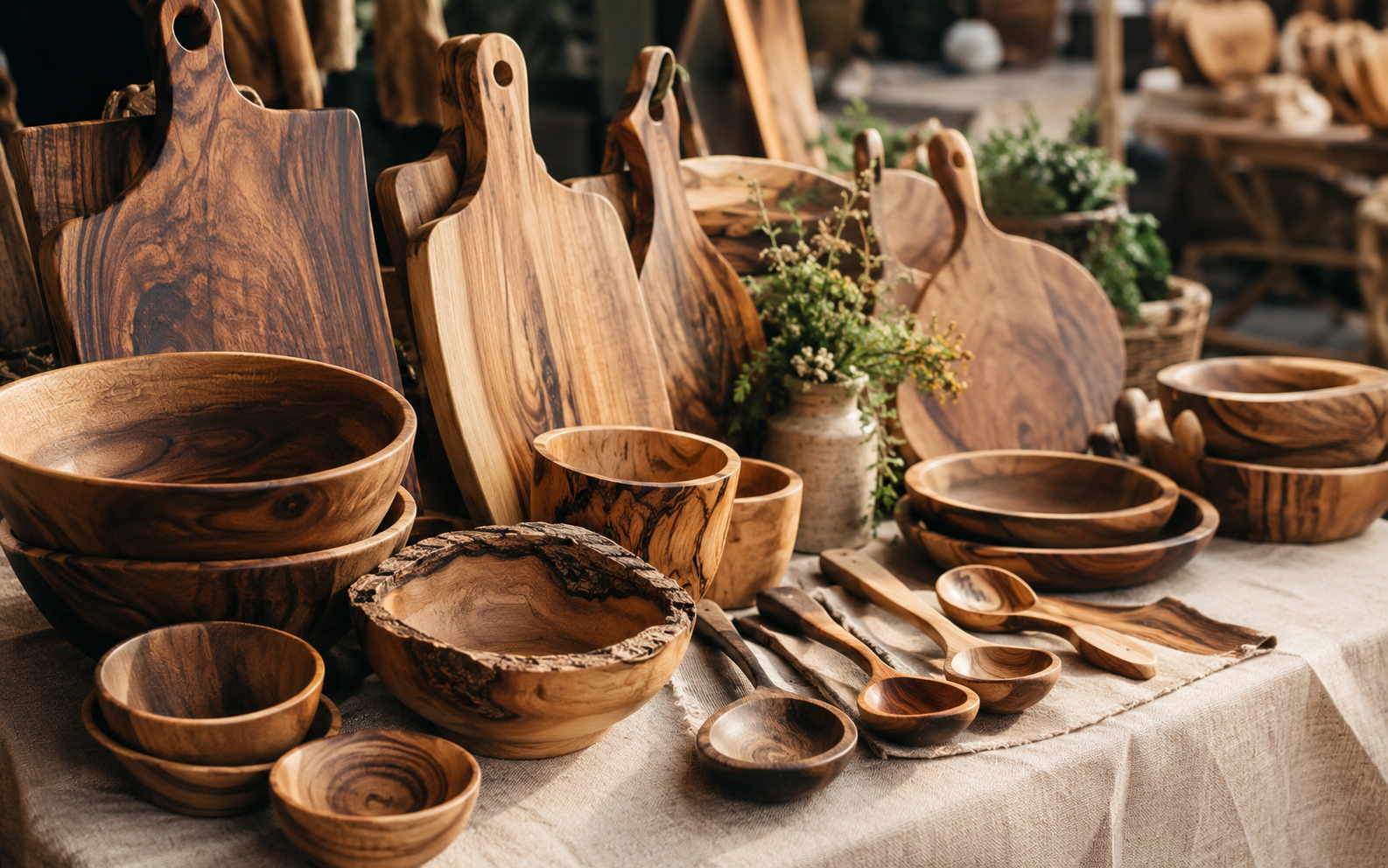
What makes this feel like craft rather than manufacturing is the intention behind it. These aren't mass-produced designs churned out by algorithm. They're considered, often personal expressions — a maker's aesthetic translated into something you can wear. The best printed apparel carries the same fingerprint of its creator that you'd find in a hand-thrown pot or a carved wooden bowl.
Where Science and Design Collide
One of the more interesting developments in printed craft is the emergence of niche-interest apparel that bridges technical subjects and visual design. Science-themed clothing, in particular, has found a passionate audience among makers and thinkers who want their wardrobe to reflect their curiosity.
This goes well beyond the novelty slogan tee. The best examples treat the garment as a canvas for genuine design thinking — using illustration, typography, and color to make complex ideas visually compelling. If you're the type who appreciates where aesthetics meets intellect, a science tee range worth wearing shows what's possible when designers actually care about the subject matter.
It's a small example of a larger truth: printed craft works best when the maker is genuinely engaged with the content, not just decorating a blank.
Craft Markets and the Wearable Maker
Walk through any craft market or maker fair and you'll notice that textile-based stalls have multiplied. Hand-dyed scarves, block-printed tote bags, embroidered patches, and artist-designed tees sit comfortably alongside carved wooden spoons and ceramic mugs. The customer base overlaps heavily — people who value craft in one form tend to value it in all forms.
For makers coming from other disciplines, wearable art offers an accessible entry point into selling. The materials are relatively cheap, the production can be done in small batches, and the price points are approachable for buyers. A hand-printed tee at twenty-five pounds is an easy purchase compared to a hand-carved side table at four hundred. It's a gateway product that introduces new customers to the maker's broader work.
There's also a sustainability angle. As fast fashion comes under increasing scrutiny, consumers are looking for alternatives that are produced ethically, in small quantities, by people who care about what they're making. Maker-produced clothing fits that brief perfectly.
Making It Your Own
If you're a maker in any discipline and you've thought about exploring wearable art, the barrier to entry is lower than you might think. A basic screen printing kit, some quality blank garments, and your existing design sensibility are all you need to start. The techniques transfer surprisingly well — if you can lay out a woodworking project, you can compose a print design. If you understand finishing and surface quality, you'll pick up ink application quickly.
The key, as with all craft, is starting with something you genuinely want to make and wearing yourself. If you wouldn't put it on, don't expect anyone else to. Let the work reflect your interests, your aesthetics, and your standards. That authenticity is what separates maker-produced wearables from everything else on the rack.