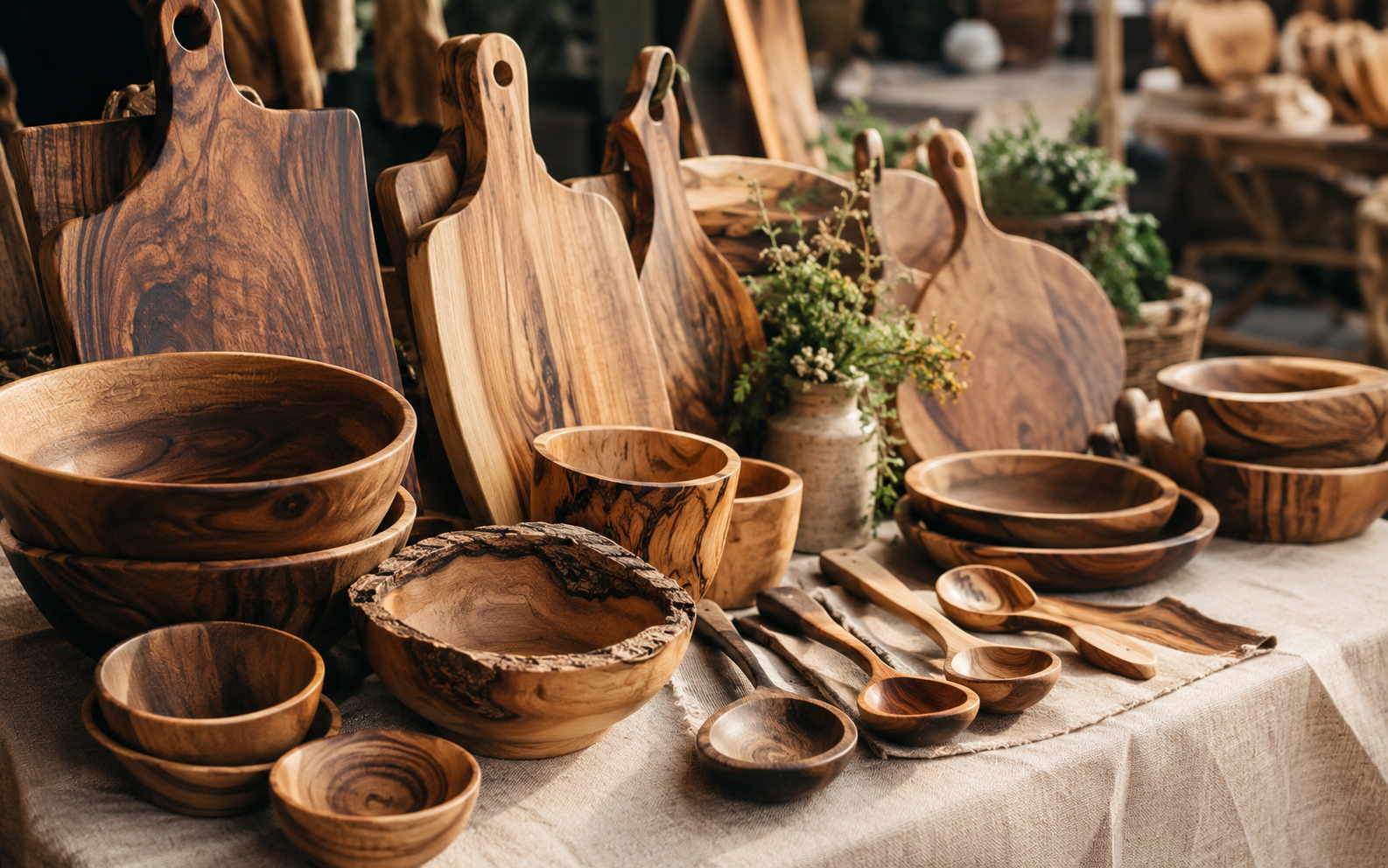
You can buy a perfectly functional cutting board for a few pounds at any home goods shop. It will be uniform, smooth, and entirely adequate. So why do people pay five or ten times that for one made by hand? Is it just snobbery? Status signaling? Or is there something more fundamental at work?
The answer, I think, lies in what handmade goods represent in a world drowning in identical mass-produced objects. They represent choice, care, and the undeniable presence of another human being in the creation of the thing. And that matters more than most of us realize.
The Story in the Object
Every handmade object carries a story. Not in a sentimental, greeting-card way, but in a tangible, physical way. The grain of the wood was chosen deliberately. The finish was applied by hand, likely in multiple coats with sanding between each. The proportions reflect someone's aesthetic judgment, not a manufacturing algorithm.
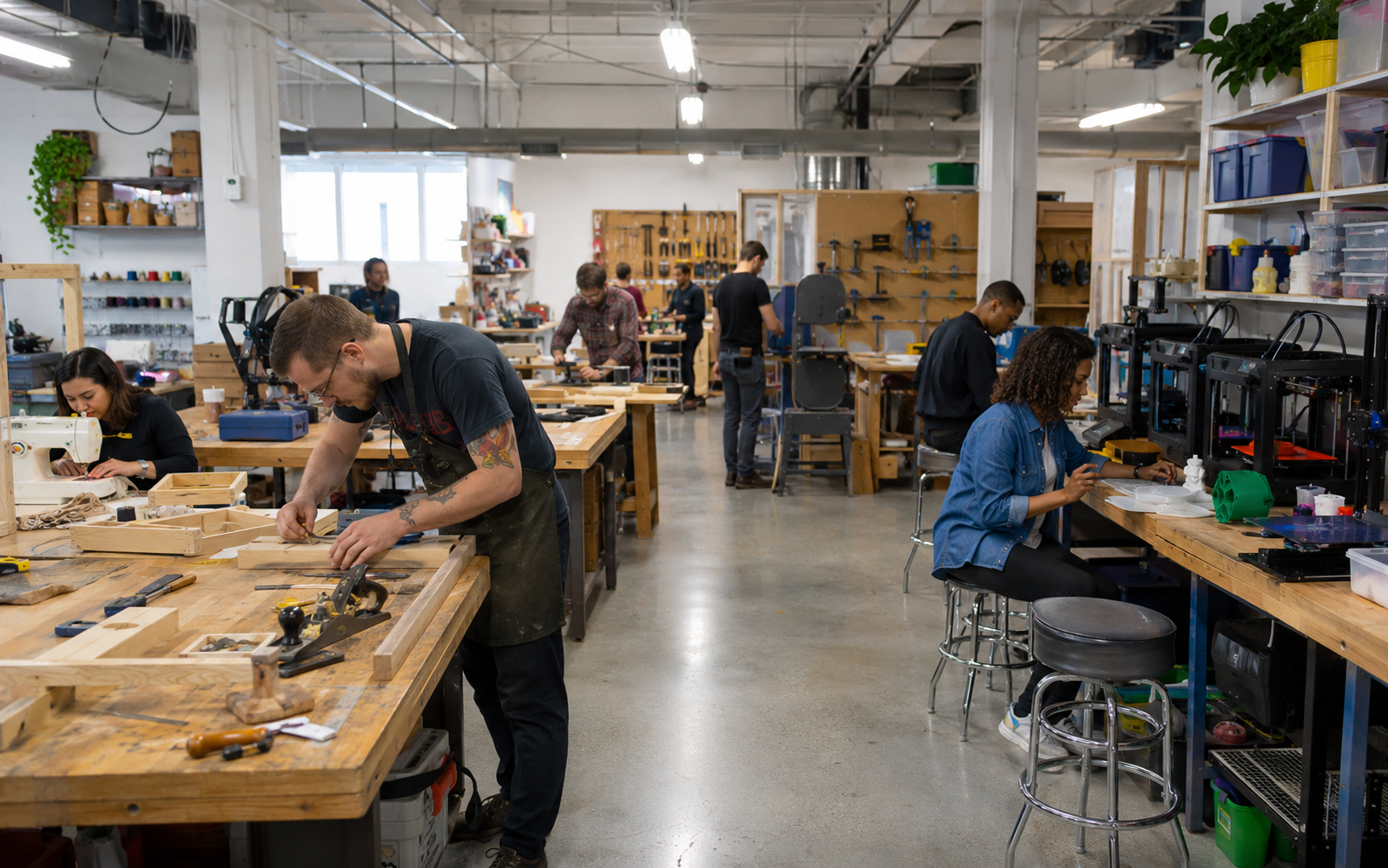
When you buy a handmade piece, you're buying a fragment of someone's time and attention. You know that a real person — someone with a name, a workshop, a set of skills learned over years — stood at a bench and made this thing. That knowledge transforms the object from a commodity into an artifact.
This is why handmade goods are so often given as gifts. They carry meaning that factory goods simply cannot. A hand-turned wooden pen says something that a branded ballpoint never will, no matter how expensive the brand.
Quality That Lasts
There's a practical dimension too. Handmade goods are often — though not always — built to a higher standard than their mass-produced equivalents. Not because makers are inherently more skilled than factory workers, but because the incentives are different.
A factory optimizes for cost per unit. A maker optimizes for reputation. When your name is on the piece and your customer can find you at next month's market, quality isn't optional — it's survival. Makers who cut corners don't last long. The feedback loop is immediate and personal.
This shows up in material choices, construction methods, and finishing. A handmade wooden table is more likely to use solid timber, proper joinery, and durable finishes than a flat-pack alternative. It costs more upfront, but it doesn't end up in a skip after three years.
The Imperfection Premium
Here's something counterintuitive: one of the things people love about handmade goods is their imperfections. The slight asymmetry of a hand-thrown mug. The tool marks visible on a carved spoon. The variations in grain that a machine would have rejected. These are features, not flaws.
Imperfection signals authenticity. It's proof that a human made this, not a machine. In a world of algorithmic precision, there's something deeply appealing about objects that bear the mark of the hand that made them. It's the same reason people prefer live music to perfect studio recordings — the roughness is part of the beauty.
The Japanese concept of wabi-sabi captures this perfectly: the beauty of impermanence, imperfection, and incompleteness. Handmade goods embody this philosophy naturally. They age. They wear. They develop patina. And in doing so, they become more interesting, not less.
Buying as an Act of Values
Increasingly, purchasing handmade is a conscious choice rooted in values. It's a vote for local economies over global supply chains. It's support for individual craftspeople over corporations. It's a preference for things made sustainably, in small quantities, with materials that can be traced and processes that can be questioned.
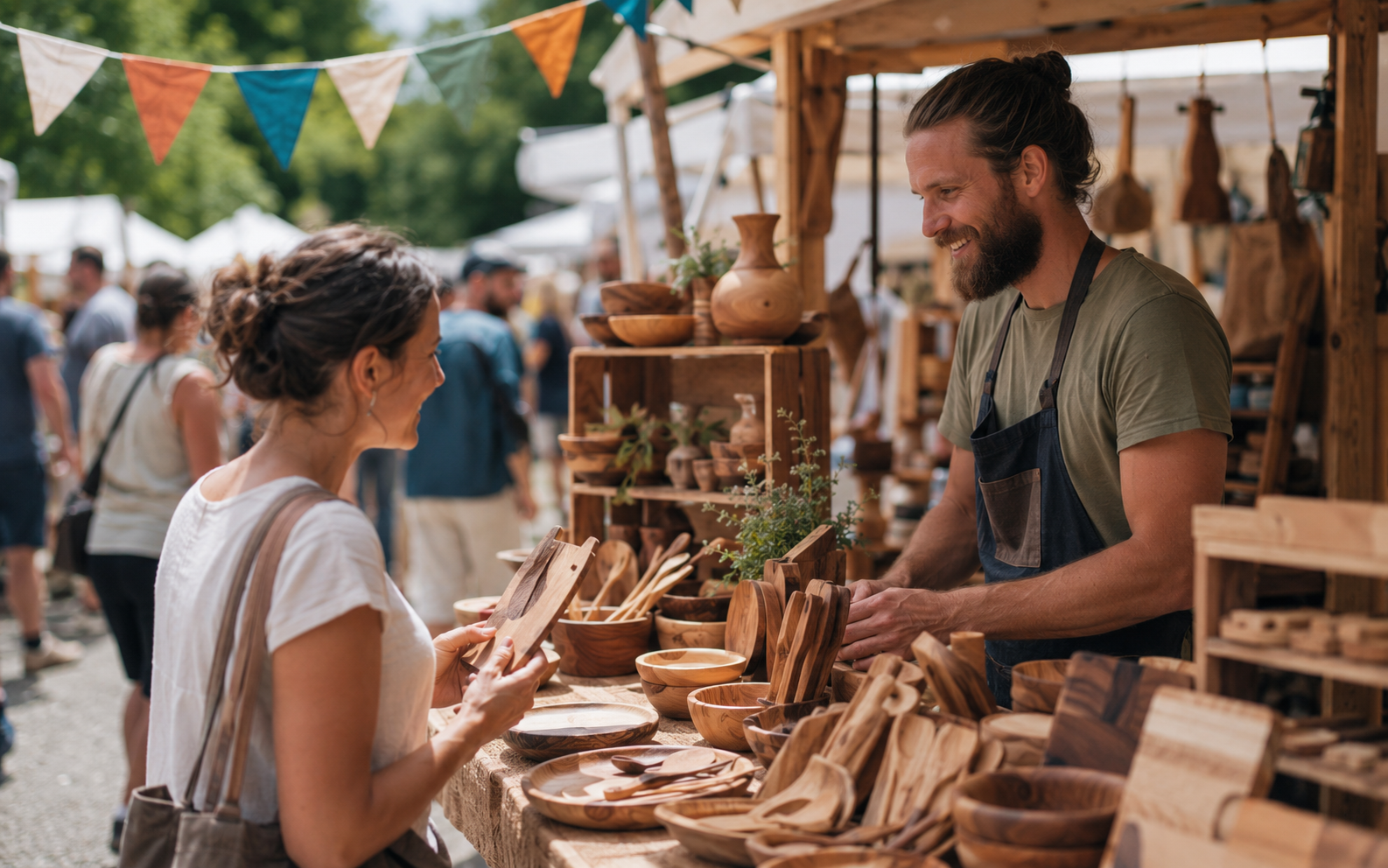
This doesn't mean every handmade purchase is an ethical triumph. But the direction is clear: consumers are thinking more carefully about where their money goes and what it supports. Handmade goods offer a level of transparency that mass production rarely can. You can meet the maker, see the workshop, understand the process. That transparency builds trust, and trust builds loyalty.
The appeal of handmade isn't going anywhere. If anything, it's growing stronger as the world becomes more automated and more disposable. People want things that matter — things made with intention, skill, and care. And they're willing to pay for them.