Every woodworking project begins with a decision that shapes everything that follows: which wood to use. It's a choice that affects how the piece looks, how it feels, how it ages, and how forgiving it is to work with. Get it right, and the material does half the work for you. Get it wrong, and you'll be fighting the wood at every step.
This isn't about memorizing a chart of Janka hardness ratings or knowing every species by sight. It's about developing a practical sense of what works where — and why.
Hardwood vs Softwood: Beyond the Names
The terms hardwood and softwood are botanical classifications, not descriptions of actual hardness. Balsa is technically a hardwood, while yew — tough enough for longbows — is a softwood. That said, in practical terms, most hardwoods are indeed harder and denser than most softwoods, and this distinction matters in the shop.
Softwoods like pine, cedar, and spruce are easier to cut, lighter, and generally cheaper. They're good choices for structural work, outdoor projects, and anything where you want to keep costs down. The tradeoff is that they dent and scratch more easily, and their grain can be less visually interesting.
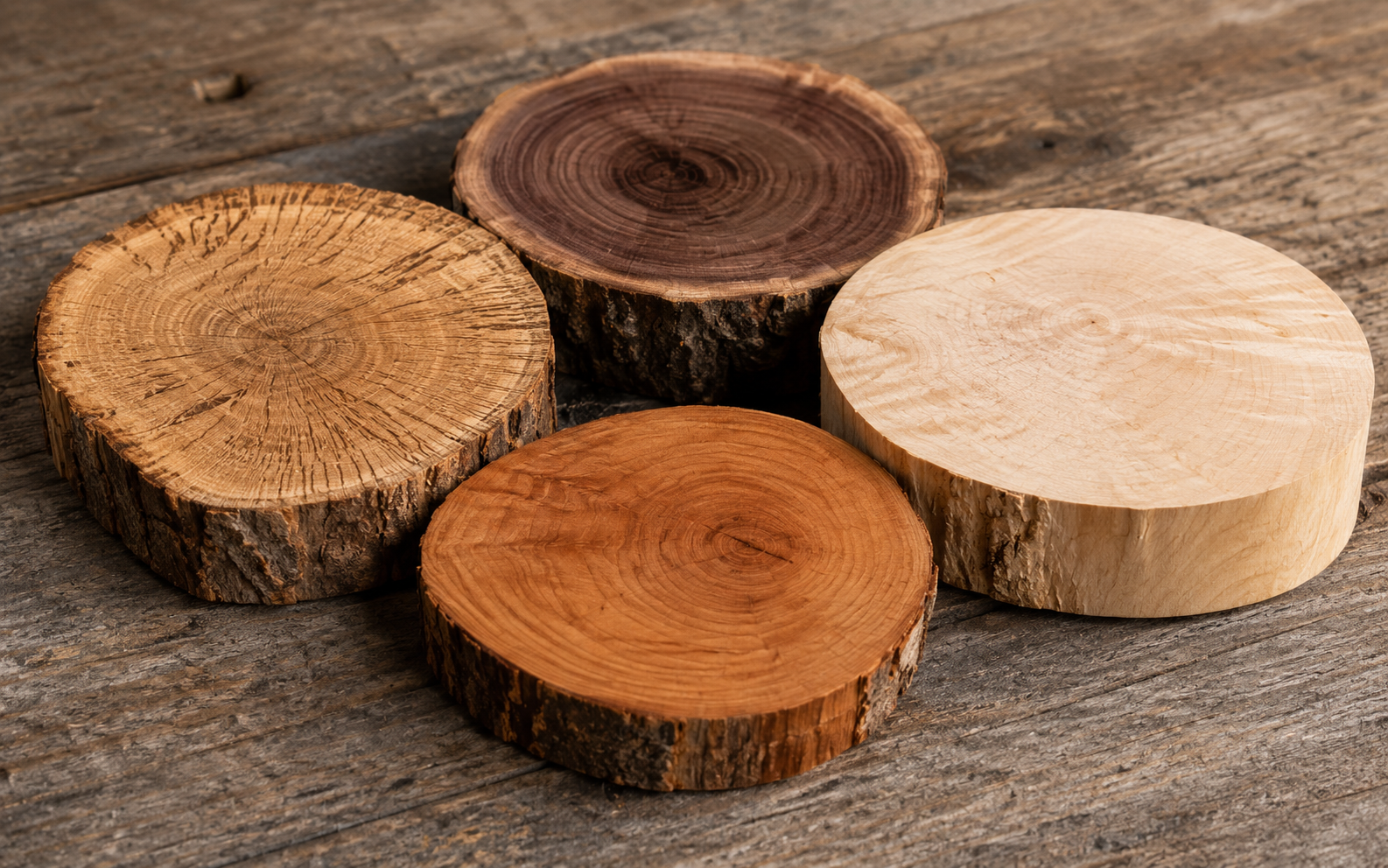
Hardwoods — oak, walnut, cherry, maple — offer greater density, richer grain patterns, and better durability. They're the natural choice for furniture, cabinetry, and any piece meant to last. They cost more and demand sharper tools, but they reward the effort with results that simply aren't possible in softer species.
Grain and Figure
Grain pattern is often the first thing people notice about a finished piece, and it's worth considering early in the selection process. Straight-grained woods like hard maple and poplar are predictable and easy to work. They take well to machining and produce clean, crisp joints.
Figured woods — those with curl, quilting, birdseye, or spalting — can be stunning, but they come with challenges. Curly maple, for instance, is notorious for tearout under planes and jointers. Spalted wood, while beautiful, can be soft and punky in places. These materials demand slower feeds, sharper blades, and sometimes different techniques entirely.
If visual impact is the priority, seek out figured stock. If workability matters more, stick with straight grain and let your joinery and design do the talking.
Workability and Your Toolkit
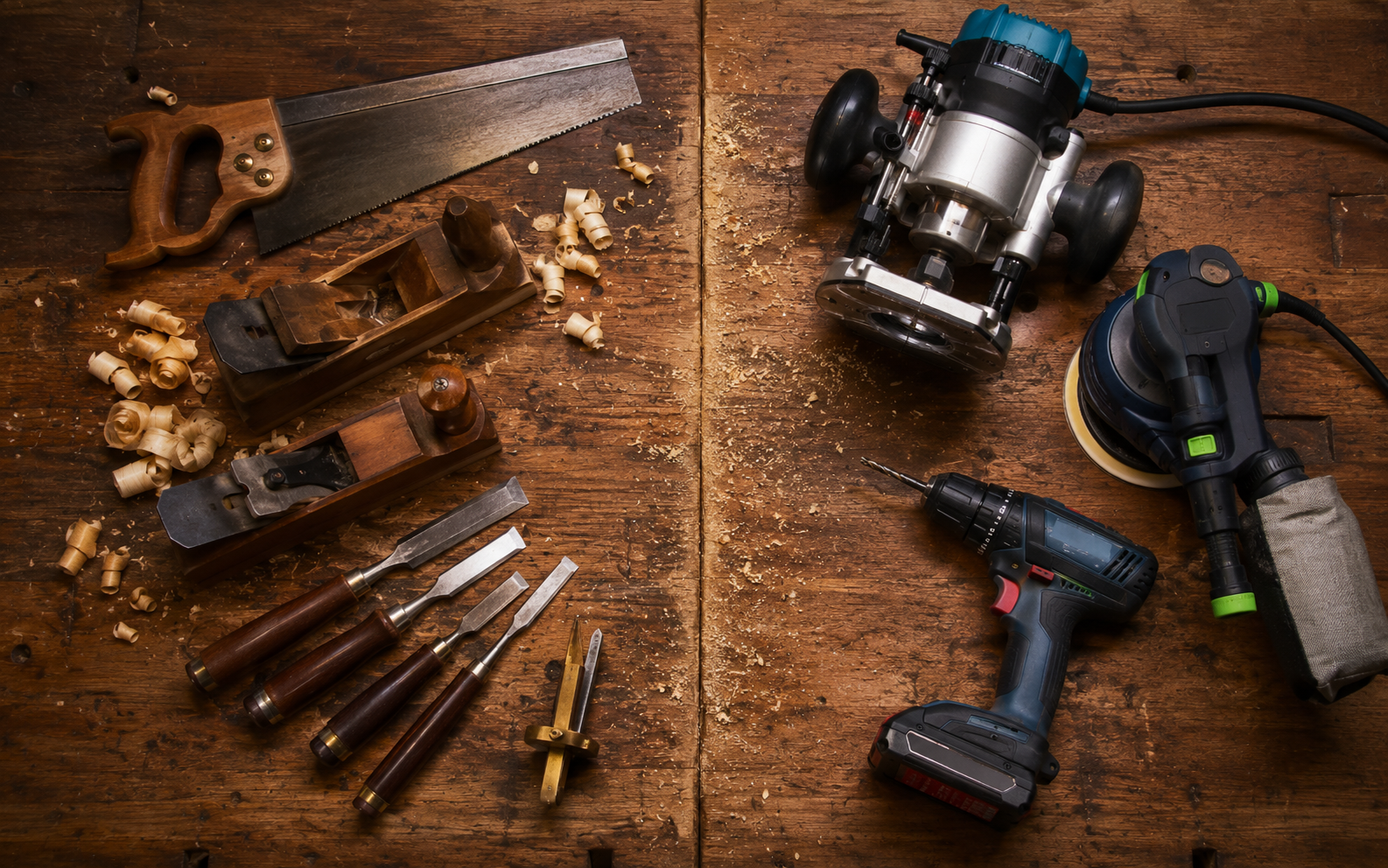
Not every workshop is equipped the same way, and the tools you have should influence the wood you choose. Working dense tropical hardwoods like purpleheart or ipe by hand is exhausting. These species are better suited to shops with power tools that can handle the load.
On the other hand, if your shop runs mostly on hand tools, species like cherry, butternut, and white pine are a joy to work. They respond beautifully to planes and chisels, producing thin, curling shavings and glass-smooth surfaces without extraordinary effort.
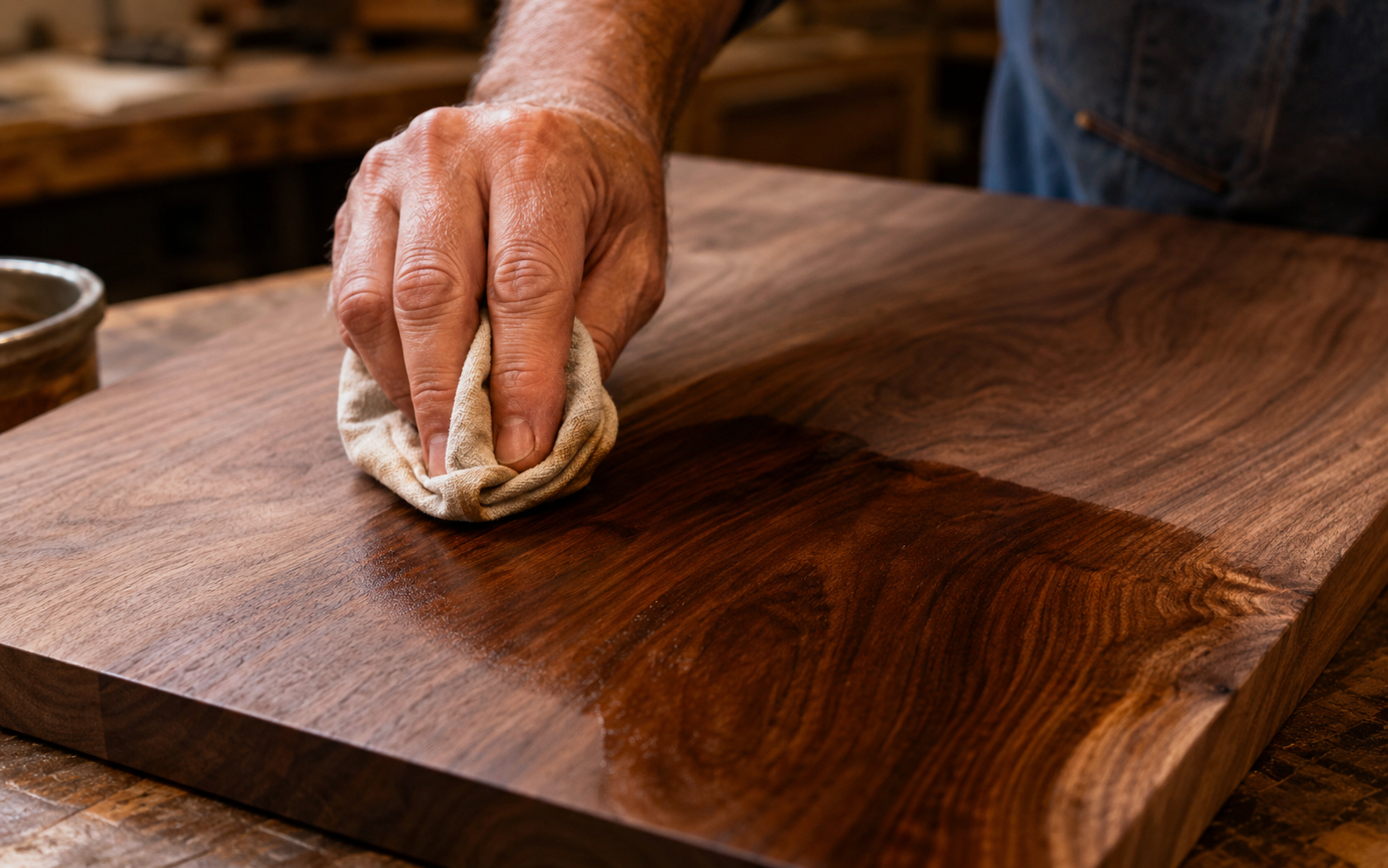
Consider also how the wood behaves with finishes. Cherry darkens dramatically with age and UV exposure. Oak has open pores that soak up stain unevenly without grain filler. Maple can blotch with oil-based finishes. Knowing these tendencies before you start saves frustration at the end.
Practical Recommendations
If you're just starting out, white oak and cherry are excellent all-around choices. Both are widely available, reasonably priced, and forgiving enough for developing skills while still producing attractive results. Poplar is another good option for painted projects — it's cheap, stable, and easy to machine.
For outdoor projects, white oak, cedar, and cypress all offer natural rot resistance. Avoid red oak outdoors — its open pores wick moisture like a straw. For cutting boards and kitchen items, hard maple and walnut are the standards, both being food-safe and durable.
Whatever you choose, buy a little more than you think you need. Wood is a natural material with natural variation, and having extra stock means you can select the best pieces for the most visible parts of your project. The offcuts always find a use eventually.